What Is Recovery Rate in Liquidation Wholesale? A Complete Definition and Benchmark Guide
Recovery rate in liquidation wholesale is the percentage of an inventory lot's original retail value recovered through its sale price. If a pallet carries a $10,000 retail value and sells for $1,500, the recovery rate is 15% (bstock.com). Industry benchmarks typically range from 5% to 35%, depending on product category, condition grade, and selling channel.
Published: May 12, 2026 | Last Updated: May 12, 2026
How Recovery Rate Is Calculated
The core formula is straightforward: (Sale Price / Original Retail Value) x 100. Retail value is typically sourced from the manifest provided by the retailer or brand, which lists each item's original selling price. Liquidation wholesalers measure recovery rate at the pallet level, the manifest level, or across an entire truckload. A blended recovery rate averages performance across all lots sold within a given period, giving operators a portfolio-level view of how efficiently they are converting returned goods and overstock inventory into cash.
Both gross recovery rate and net recovery rate are meaningful metrics. Gross recovery rate reflects the raw sale price divided by retail value, before subtracting platform fees, shipping, or labor costs. Net recovery rate subtracts all associated selling costs and gives a truer picture of actual profitability. Most operators track both. Net recovery rate, though, is what drives real business decisions. Tracking pallet pricing and manifest value accuracy together is the only way to catch that gap early.
Industry Benchmarks by Product Category and Condition Grade
Benchmarks vary meaningfully by category and condition. Apparel and soft goods often land between 8% and 20% (upcounting.com), though brand strength and seasonality shift that range significantly.
Selling channel matters just as much as condition. Direct-to-reseller relationships typically yield recovery rates 5% to 12 percentage points higher than open auction platforms, because there is less price competition and deal close times are faster (getmonetizely.com). Multi-channel selling strategies, combining auction, direct outreach, and marketplace listings, tend to produce the highest blended recovery rates. Speed-to-sale is a critical variable across all categories. Inventory aged beyond 90 days loses meaningful recovery value as buyer demand shifts and products become harder to move. The reverse logistics market is valued at USD 860.4 billion in 2025 and is projected to grow at a 9.8% CAGR to reach USD 1.99 trillion by 2034 (moduslink.com), which signals how much capital is at stake across the secondary market every year.
| Category | Low-End Recovery | Average Recovery | High-End Recovery |
|---|---|---|---|
| Consumer Electronics | 5–10% | 10–15% | 15–35% |
| General Merchandise / Hardlines | 8–12% | 15–25% | 25–35% |
| Apparel & Soft Goods | 5–10% | 10–20% (upcounting.com) | 20–35% |
| Home Goods / Furniture | 5–10% | 12–22% | 25–35% |
Ranges reflect industry-reported benchmarks across condition grades and selling channels.
How Selling Channel and AI-Driven Matching Affect Recovery Rate
Tech-enabled liquidation platforms like B-Stock and Liquidation.com have demonstrated that fast, competitive buyer access preserves more value than prolonged storage. The National Retail Federation estimates that retailers expect ~16% of annual sales to be returned, roughly $850 billion in merchandise (bstock.com). McKinsey & Company estimates this forces retailers to spend an estimated $200 billion managing those returns (bstock.com). That volume rewards platforms that move inventory to the right buyer quickly.
AI-driven buyer matching in reverse logistics has meaningfully pushed recovery rates toward the upper end of category benchmarks by reducing time-to-sale and connecting the right buyer to the right lot faster. Professional liquidators using data analytics and AI-powered sales automation generally report improved recovery rates compared to purely manual operations. At Deallo, we see this consistently: sellers who replace manual quoting and follow-up workflows with automated, data-driven buyer matching reduce their time-to-sale and capture buyers at the moment of peak demand, before inventory ages out of its optimal recovery window.
Why Recovery Rate Matters for Liquidation Wholesale Profitability
Recovery rate is not just an operational metric. It is a direct driver of bottom-line revenue. A 5-percentage-point improvement on a $10M annual inventory book equals $500,000 in additional revenue, with no increase in sourcing costs (bstock.com). That math scales fast. For a $50M operation, the same improvement is worth $2.5M per year (bstock.com). No other single lever produces that kind of return without adding headcount or capital.
Recovery rate also directly impacts inventory turnover, warehouse carrying costs, and available working capital. Inventory sitting in a warehouse is not neutral. It ties up space, accrues labor costs, and depreciates by the day. The eCommerce return rate hit 20% in 2025 (upcounting.com), meaning the volume of returned goods entering the secondary market continues to grow. Companies that track recovery rate at the lot level can identify which categories, condition grades, and buyer segments drive the most value, and adjust sourcing and pricing strategy accordingly.
Inconsistent recovery rates are often a symptom of manual pricing guesswork rather than a data-driven liquidation pricing strategy. Buyers use recovery rate data to evaluate which suppliers offer the most predictable value, shaping long-term sourcing relationships. Consistent, high recovery rates signal operational maturity. That reputation compounds over time.
Frequently Asked Questions
What is a good recovery rate in liquidation wholesale?
How does product condition grade affect recovery rate?
What is the difference between recovery rate and sell-through rate?
How can liquidation wholesalers improve their recovery rate?
Does selling channel (auction vs. direct) significantly impact recovery rate?
How is the recovery rate in liquidation wholesale calculated?
What factors influence the recovery rate in liquidation wholesale?
Are there industry benchmarks for recovery rates in liquidation wholesale?
How does reverse logistics impact the recovery rate in liquidation wholesale?
What strategies can maximize the recovery rate in liquidation wholesale?
Sources & References
About the Author
Deallo
Deallo is an AI-powered sales agent platform that automates inventory liquidation for wholesale companies, helping them sell returned and excess stock while maximizing recovery value efficiently.
Learn more at deallo.ai →Related Posts

Handling Seasonal Liquidation Surges: How AI Adapts to Holiday Returns and Inventory Spikes
Holiday return seasons flood liquidation wholesalers with more inventory than manual teams can move efficiently. AI-powered sales platforms change that equation by automating pricing, buyer matching, and follow-up at scale. This guide breaks down exactly how AI adapts to seasonal surges to protect recovery rates and cash flow.
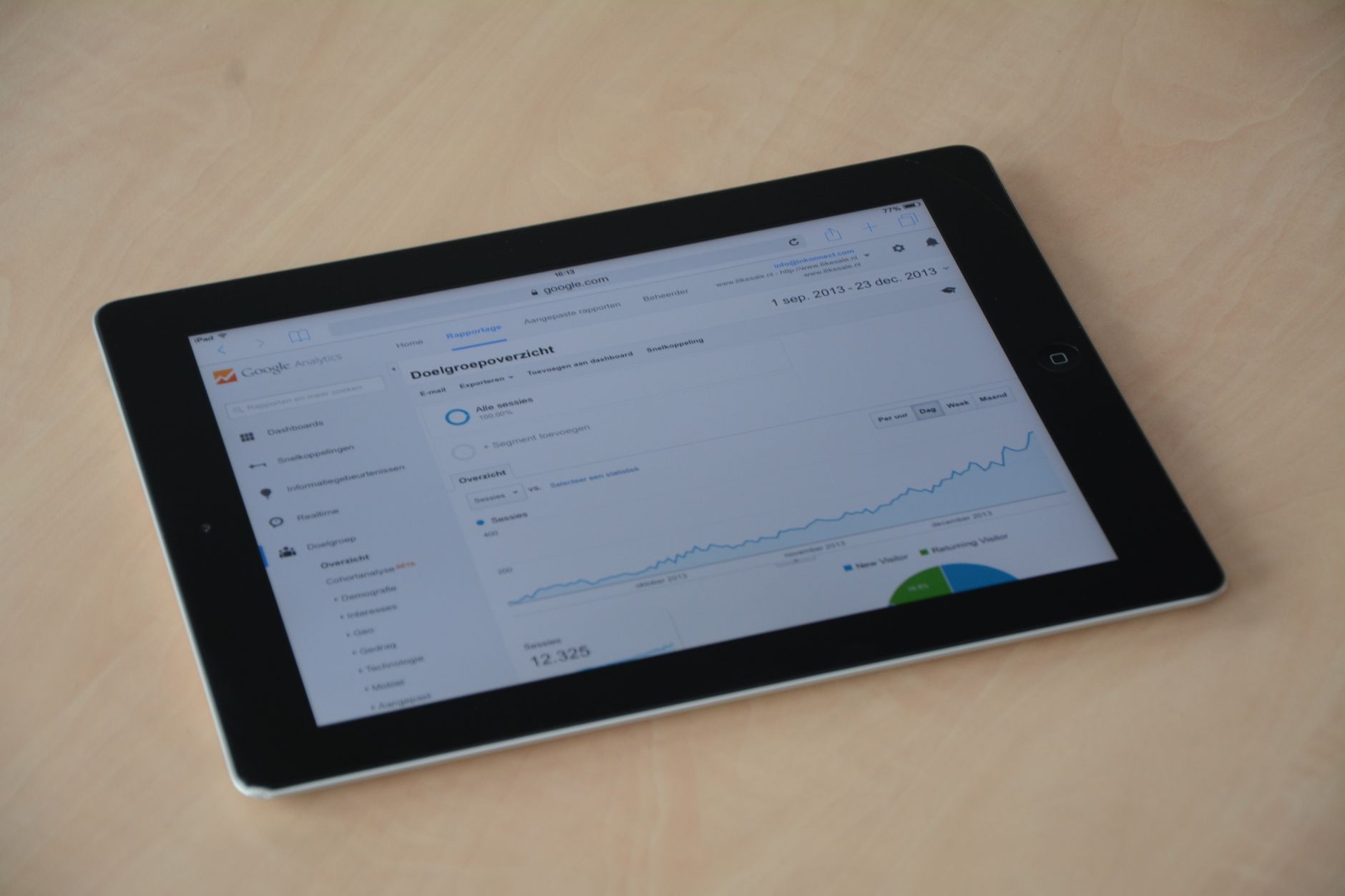
Reading the Data: How to Use Sell-Through Analytics to Maximize Liquidation Revenue
Most liquidation wholesalers are sitting on a goldmine of untapped data—and leaving recovery value on the table because of it. This guide breaks down exactly how sell-through analytics work, what metrics actually matter, and how to turn raw inventory data into faster sales and higher margins.

The Complete Digital Transformation Roadmap for Liquidation Wholesalers in 2026
Most liquidation wholesalers still run on spreadsheets, phone calls, and manual follow-ups, even as e-commerce return volumes hit record highs. This guide lays out a practical, step-by-step digital transformation roadmap so your operation can move inventory faster, price smarter, and scale without adding headcount.