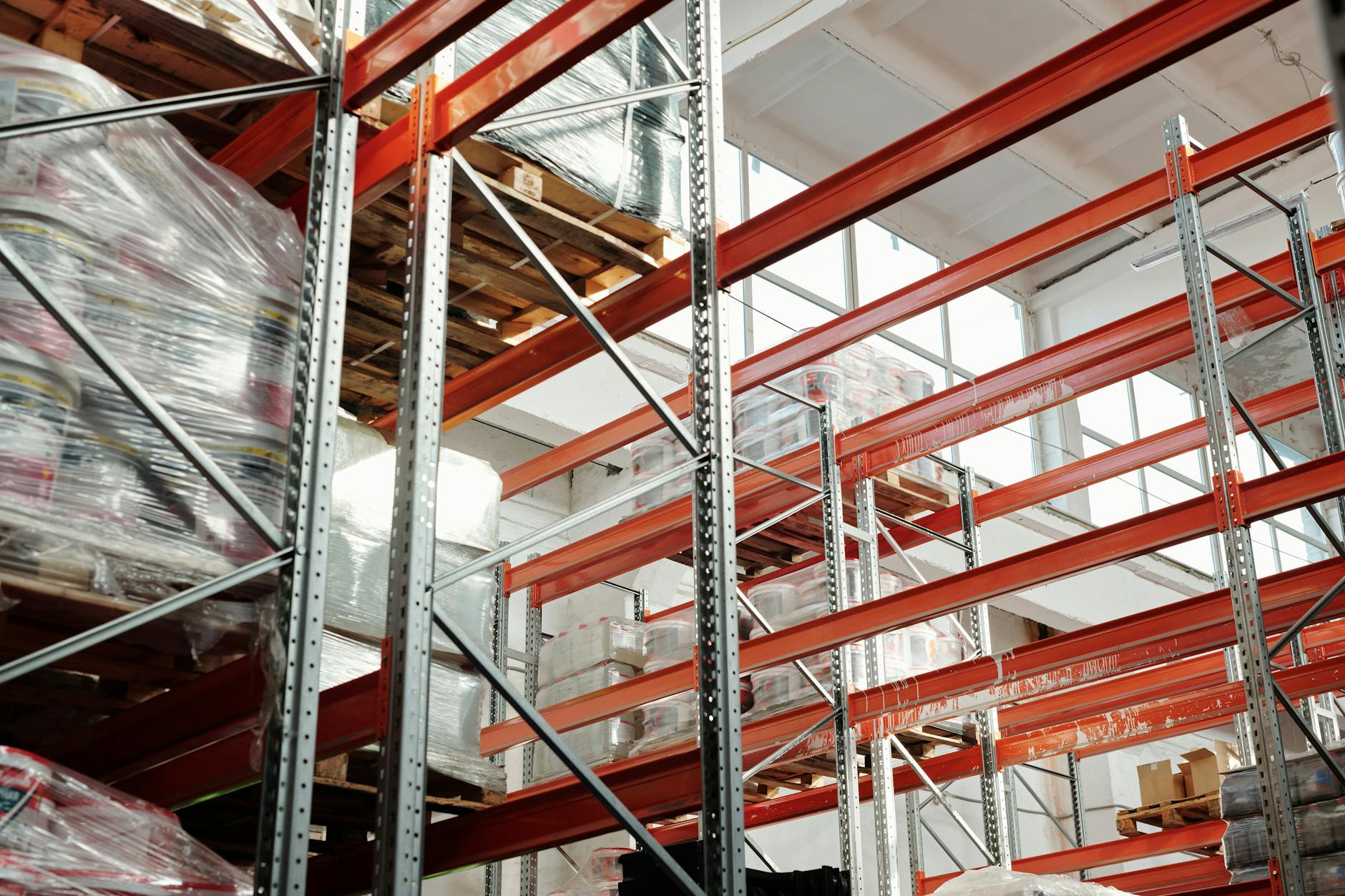
To maximize recovery rates on liquidation pallets, focus on accurate manifest grading, dynamic pricing aligned to market demand, and strategic buyer segmentation. AI-powered automation increasingly handles these tasks at scale without adding headcount.
1. Grade and Manifest Every Pallet Accurately Before Listing
Accurate grading is the foundation of strong liquidation pallet pricing. For example, consider a mid-sized liquidation wholesaler receiving 200 pallets of returned electronics monthly. Buyers price unknown risk into every offer, and that uncertainty discount is real, measurable, and avoidable. Pallets listed with complete manifests, itemized SKUs, retail values, and condition grades consistently command significantly higher bids than unmanifested lots. A standardized grading framework using clear condition tiers, Shelf-Ready, Customer Return, Salvage, and Parts Only, gives buyers the confidence to bid at the top of their range rather than the bottom. Photo documentation at the SKU level supports each grade and reduces return disputes that erode long-term buyer relationships. Pallet grading standards also create internal pricing benchmarks: once you know that Grade A electronics in your facility recover at a specific percentage of MSRP, you can price new receipts faster and more accurately. Train warehouse staff to apply grades consistently. Consistency matters as much as the framework itself. Buyers who receive what the manifest describes become repeat buyers. Those who don't, disappear. Automated manifest tools now reduce grading labor time while improving accuracy, making this investment scalable even as inventory volume grows.
Building a Standardized Grading Framework
Define your condition categories before a single pallet hits the floor. Shelf-Ready means sellable as-is. Customer Return means functional but opened or used. Salvage means damaged but partially resalable. Parts Only means component value only. Apply these definitions in writing, train every warehouse associate on them, and audit grades weekly until consistency is established. Use SKU-level manifests supported by photos to document each tier. This structure enables reliable liquidation manifest generation at scale.
How Manifest Quality Affects Recovery Value
The transparency premium is straightforward: buyers who know exactly what they're purchasing eliminate the guesswork discount from their offers. When a buyer receives a manifest listing 47 specific SKUs with retail values, condition grades, and photos, they can calculate their resale margin with confidence. That confidence translates directly into higher bids. Automated manifest tools integrate with warehouse management systems to pull SKU data, reducing manual entry errors that cause disputes and buyer churn.
2. Segment Your Buyer Base to Match Inventory to the Right Purchaser
Buyer segmentation wholesale is one of the highest-leverage strategies available to liquidation operators, and one of the most underused. The same pallet of returned electronics can be worth dramatically different amounts to an Amazon FBA seller, a flea market operator, or an international exporter. Routing that pallet to the wrong buyer segment means leaving money on the table on every transaction. Amazon FBA and eBay resellers prioritize name-brand electronics, apparel, and home goods at low cost-of-goods ratios because their margin depends on resale velocity. Flea market and discount store buyers focus on high-volume mixed general merchandise where unit cost matters more than brand. International exporters absorb large mixed lots that domestic buyers routinely pass on, making them essential for clearing hard-to-move inventory categories. Tracking buyer purchase history reveals demand patterns that sharpen future matching accuracy. Over time, this data becomes a competitive asset: you know which buyers reliably pay premium prices for specific categories, and you route inventory accordingly before it ever hits a general listing. At Deallo, we've seen wholesale buyer outreach become dramatically more effective when it's targeted rather than broadcast, the right buyer, for the right lot, at the right moment.
Key Buyer Segments in Liquidation Wholesale
| Buyer Type | Preferred Inventory | Volume Profile | Price Sensitivity |
|---|---|---|---|
| Amazon FBA / eBay Reseller | Electronics, apparel, name-brand goods | Medium lots | Low, pays premium for brand and condition |
| Flea Market / Discount Store | Mixed general merchandise | High volume | High, needs wide margin per unit |
| International Exporter | Mixed lots, any condition | Large truckloads | Medium, focused on container-fill economics |
| Specialty Reseller | Category-specific (tools, beauty, auto) | Small to medium | Low, deep category expertise drives confidence |
| Salvage Dealer | Salvage/Parts Only grade | High volume | Very high, buying damaged goods only |
3. Use Dynamic Pricing Tied to Real-Time Market Demand
Static, cost-plus pricing ignores every market signal available to you. It consistently underprices fast-moving inventory and overprices slow-moving lots, producing mediocre recovery across the entire portfolio. Dynamic pricing wholesale adjusts offers based on buyer demand signals, inventory aging curves, seasonal trends, and comparable transaction industry research The result is a pricing system that captures more margin when demand is high and accelerates turnover when demand softens, without requiring manual intervention on every lot. Price floors should reflect a minimum acceptable percentage of MSRP by category and condition grade, preventing underselling on high-demand items. Price ceilings should reflect buyer resale margin requirements: if your best FBA buyers need a 3x resale multiple to participate, pricing above that ceiling prices them out of the market. AI-driven pricing engines update pallet prices continuously, analyzing historical transaction data to recommend optimal starting prices and triggering automatic price reductions on aging inventory before carrying costs erode margin below acceptable thresholds. The global wholesale market reached $57.73 trillion in 2025, up 7.3% year-over-year (repspark.com), and dynamic pricing is increasingly a baseline expectation among sophisticated buyers operating in that environment.
Setting Price Floors and Ceilings for Liquidation Inventory
Price floors and ceilings are not arbitrary constraints, they are strategic guardrails derived from real transaction data. Review and adjust pricing benchmarks quarterly as market conditions shift. Categories that recovered well in Q1 may face demand softness in Q3. Seasonal demand fluctuations are predictable once you have 12 months of sell-through rate data. Build that calendar into your pricing model from the start.
4. Reduce Time-to-Sale by Streamlining the Quoting and Negotiation Process
Every day inventory sits unsold incurs warehouse carrying cost and ties up working capital. Manual quoting processes, spreadsheets, email chains, phone negotiation, add days to average time-to-sale and introduce errors that stall deals. Faster time-to-sale wholesale directly improves inventory turnover and frees cash for new sourcing. The fix starts with identifying where deals stall most frequently. For most operations, the bottleneck is not the buyer's willingness to purchase, it's the seller's speed to quote and follow up. Standardizing quote templates for common inventory categories eliminates repetitive drafting. Automated follow-up sequences re-engage buyers who don't respond within 24–48 hours without requiring a sales rep to remember to send a second email. The global B2B ecommerce market is projected at $32.1 trillion in 2025, with B2B expected to account for more than 80% of all digital commerce revenue (repspark.com), buyers in this environment expect fast, accurate responses. Slow quotes signal operational immaturity and drive buyers to faster competitors. Automating initial quote generation compresses the sales cycle significantly, and the savings compound across hundreds of transactions per month.
Eliminating Bottlenecks in the Manual Sales Workflow
Map your current sales workflow from inventory receipt to completed sale. Mark every step that requires human input. Each manual touchpoint is a potential delay and error source. Prioritize automation for the highest-frequency tasks first: initial buyer outreach, quote generation, and follow-up reminders. Reserve human attention for negotiation on high-value lots and relationship management with strategic accounts. This division of labor is where a sales automation platform pays for itself fastest.
5. Sell Across Multiple Channels to Maximize Competitive Bidding
Relying on a single sales channel, one buyer list or one auction platform, artificially limits price discovery. When only one buyer sees a lot, you get one price. When five qualified buyers see the same lot simultaneously, competitive tension does the pricing work for you. Listing pallets across B2B liquidation marketplace platforms, direct buyer outreach, and auction channels creates that tension at scale. Top platforms in the B2B liquidation space include B-Stock, Direct Liquidation, and Liquidation.com, each reaching distinct buyer pools with different purchasing behaviors. Direct buyer relationships eliminate platform fees but require active wholesale buyer outreach capacity and relationship management. The most effective strategy is hybrid: use direct channels for established buyers on high-demand inventory, and route hard-to-move or one-off lots through auction platforms where competitive bidding offsets the fee burden. Multi-channel selling requires coordination to prevent double-selling and inventory allocation errors. This is where excess inventory liquidation management software earns its cost: real-time inventory sync across channels eliminates the operational risk of selling the same lot twice.
B2B Auction Platforms vs. Direct Buyer Sales
6. Leverage Data Analytics to Identify High-Recovery Inventory Categories
Not all liquidation inventory recovers equally. Electronics, apparel, and branded home goods consistently outperform mixed-lot general merchandise when properly graded and routed to the right buyers. Without data, sourcing and pricing decisions rely on intuition, and intuition doesn't scale. Tracking sell-through rates and inventory recovery rate percentages by category, condition grade, and buyer type reveals exactly where to focus effort. This visibility enables smarter sourcing decisions upstream: declining inventory categories with historically poor recovery before they consume warehouse space and sales bandwidth. Inventory aging dashboards are particularly valuable. A lot that sits for 30 days at your target price should trigger a pricing review. At 45 days, it should trigger an automatic reduction. At 60 days, it should be routed to a clearance channel or bundled with faster-moving inventory to clear space. The total business inventories-to-sales ratio based on seasonally adjusted data stood at 1.35 at the end of January (census.gov), down from 1.40 in January 2025, a signal that inventory is moving faster across the broader distribution sector, raising the competitive bar for liquidation operators who need to match that velocity.
Key Metrics Every Liquidation Wholesaler Should Track
Four metrics form the core performance dashboard for overstock inventory management operations. Recovery Rate %: net sale price divided by total retail value, multiplied by 100, your primary benchmark. Days-to-Sale: average time from inventory receipt to completed sale, tracked by category. Buyer Repeat Rate: percentage of buyers who purchase again within 90 days, a proxy for pricing competitiveness and relationship quality. Cost-per-Pallet-Sold: total sales labor and overhead divided by pallets sold, revealing operational efficiency. Track these weekly. Act on them monthly.
7. Automate Repetitive Sales Tasks with AI-Powered Tools to Scale Without Adding Headcount
Manual sales operations cap throughput at the limits of your team's bandwidth. Automation removes that ceiling. An AI sales agent handles initial buyer outreach, quote generation, follow-up sequences, and negotiation guardrails simultaneously across hundreds of active lots, work that would require a significantly larger sales team to replicate manually. This is not a distant technology. It is operational today in liquidation wholesale environments. AI platforms that integrate with warehouse management and ERP systems pull real-time inventory data into sales workflows, eliminating errors from outdated information that stall deals and damage buyer trust. The returned goods resale process benefits particularly from automation: AI can match specific returned SKUs to buyers with demonstrated purchase history in that category, draft a customized offer, send it, and follow up, all without human intervention. Automation frees senior sales staff to focus on strategic account relationships, high-value deal structuring, and sourcing decisions that require human judgment. The concern that AI feels impersonal is understandable but misplaced. Modern AI sales agents personalize outreach using buyer history, preferred categories, and past transaction data. Buyers experience faster response times and more accurate offers. Results speak louder. The global wholesale market's projected growth to $73.13 trillion by 2029 at a 6.1% CAGR (repspark.com) means volume will increase, and the operations that automate now will be positioned to capture that growth without proportionally scaling headcount.
What AI Sales Automation Handles in Liquidation Wholesale
AI sales automation covers four core workflow areas in reverse logistics automation. Buyer matching: AI analyzes purchase history and category preferences to route specific inventory to the most likely buyers before a general listing goes out. Dynamic quote generation: AI drafts customized offers based on inventory data, buyer tier, and current market pricing benchmarks. Follow-up sequences: automated touchpoints re-engage unresponsive buyers at optimal intervals without manual reminders. Negotiation guardrails: AI maintains price floors during negotiation, ensuring minimum recovery thresholds are protected on every transaction regardless of buyer pressure.
Addressing the Centralization and Standardization Advantage
Technology and centralization yield the highest efficiency gains in reverse logistics, a conclusion supported by operators who have consolidated returns processing into dedicated facilities. Centralized returns centers create a single point of inspection, grading, and routing decisions, eliminating the inconsistency that occurs when returns are processed at multiple locations with different staff and standards. Standardized return policies and handling guidelines across all channels ensure that every item receives the same inspection process and condition assessment regardless of where it originated. This consistency is what makes data reliable: when grades mean the same thing across every warehouse and every staff member, your analytics reflect reality. Adjust safety stock levels and reorder points for returned SKUs to prevent overstock buildup in specific categories, a common problem when returns spike seasonally without corresponding increases in buyer demand. Real-time customer updates on return status also play a measurable role: buyers and retail partners who receive accurate status communications return fewer items as disputes and reduce chargebacks that reduce net recovery value before inventory even reaches the liquidation floor.
Frequently Asked Questions
What is a good recovery rate on liquidation pallets?
How do I price liquidation pallets to maximize recovery value?
What is the fastest way to sell liquidation pallets?
How does buyer segmentation improve recovery rates on liquidation inventory?
Can AI tools really improve recovery rates for liquidation wholesalers?
What metrics should I track to measure performance in liquidation wholesale?
How does inventory aging affect recovery rate on liquidation pallets?
How can I streamline the returns process for better efficiency?
What are the benefits of establishing centralized returns centers?
How can standardized policies improve return management?
What role does customer communication play in enhancing recovery rates?
How can value recovery strategies be implemented effectively?
Sources & References
About the Author
Deallo
Deallo is an AI-powered sales agent platform that automates inventory liquidation for wholesale companies, helping them sell returned and excess stock while maximizing recovery value efficiently.
Learn more at deallo.ai →Related Posts

Handling Seasonal Liquidation Surges: How AI Adapts to Holiday Returns and Inventory Spikes
Holiday return seasons flood liquidation wholesalers with more inventory than manual teams can move efficiently. AI-powered sales platforms change that equation by automating pricing, buyer matching, and follow-up at scale. This guide breaks down exactly how AI adapts to seasonal surges to protect recovery rates and cash flow.
Reading the Data: How to Use Sell-Through Analytics to Maximize Liquidation Revenue
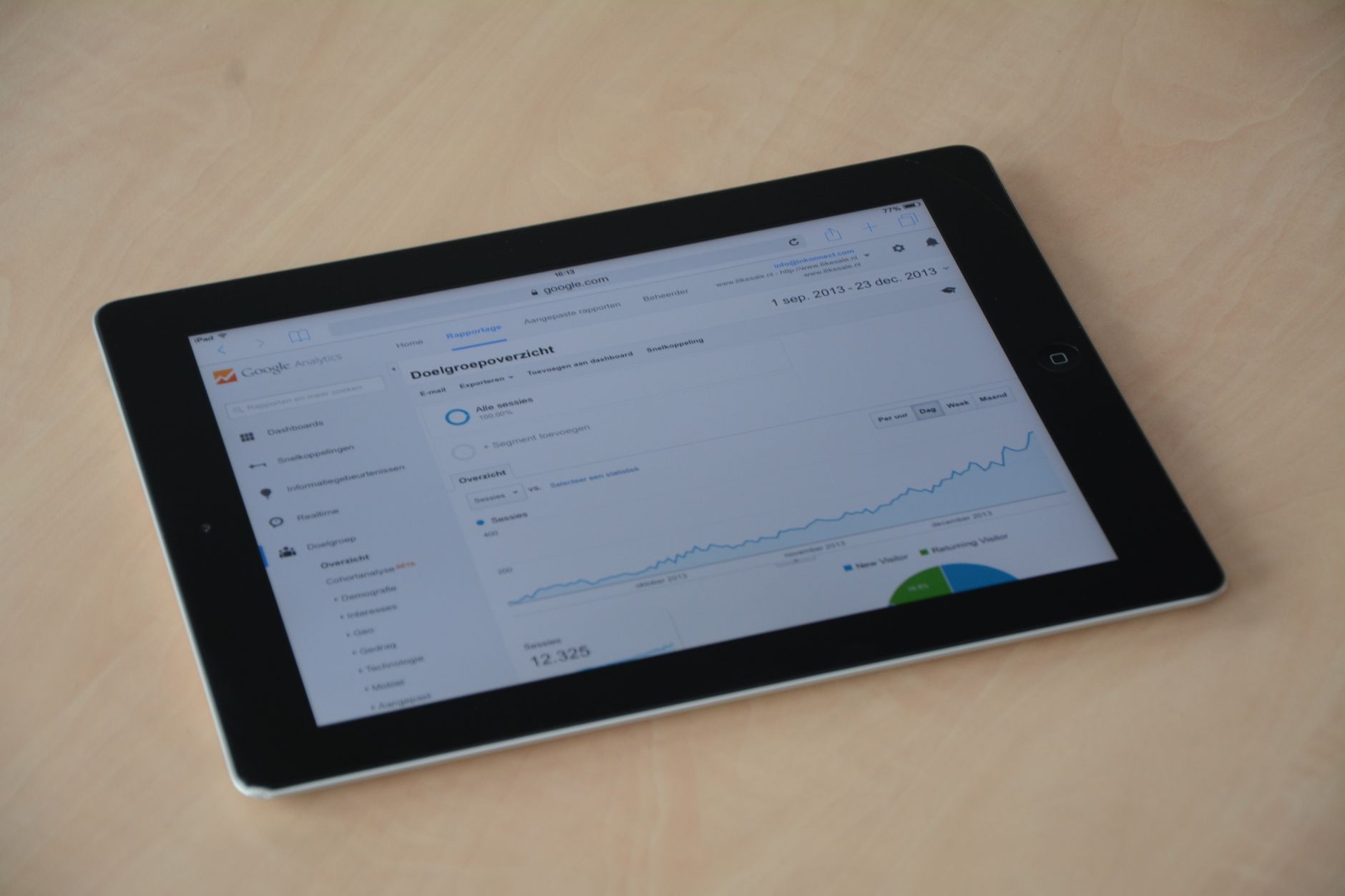
Most liquidation wholesalers are sitting on a goldmine of untapped data—and leaving recovery value on the table because of it. This guide breaks down exactly how sell-through analytics work, what metrics actually matter, and how to turn raw inventory data into faster sales and higher margins.

The Complete Digital Transformation Roadmap for Liquidation Wholesalers in 2026
Most liquidation wholesalers still run on spreadsheets, phone calls, and manual follow-ups, even as e-commerce return volumes hit record highs. This guide lays out a practical, step-by-step digital transformation roadmap so your operation can move inventory faster, price smarter, and scale without adding headcount.