
To price a mixed liquidation pallet, start with the total retail value from the manifest. Subtract estimated refurbishment and resale costs. Benchmark against recent market comps.
Step 1: Analyze the Manifest to Establish Gross Retail Value
The manifest is the foundation of any accurate pallet price. Without it, you are guessing. Sum all MSRP or retail values listed on the manifest to get your gross retail value (GRV). Flag high-value SKUs separately: electronics, power tools, and appliances skew total value and carry lower recovery rates than apparel or housewares. Manifest accuracy varies by source. Amazon, Target, and Walmart liquidation programs have well-documented, reliable manifests. Smaller regional liquidators often provide incomplete item counts or outdated retail prices. They typically contain 40 to 60 items. Keep that range in mind when a manifest looks abnormally high or low. Gross retail value is a starting point, not a selling price. Category composition matters as much as the total number.
How to Handle Unmanifested or Partially Manifested Pallets
Unmanifested pallets require a physical sort before pricing. That adds labor cost directly to your floor price calculation. Assign conservative estimated retail values using category averages from your own past pallet data. Document every assumption. Future pallet performance will calibrate your estimates over time, turning uncertainty into a reliable forecasting asset.
Step 2: Apply Condition Grading Multipliers to Each Item Category
Condition is the single largest variable in pallet pricing. Mixed pallets commonly average only 20–40% sellable value after accounting for defects, missing components, and non-functional units (amzprep.com). Professional liquidators build this reality check into their grading process. Standard grades run from New/Overstock down to Grade C salvage, each carrying a distinct recovery percentage. Electronics show heavier defect clustering. A pallet of returned consumer electronics may contain more Grade B and Grade C units than a pallet of returned clothing. In clothing, the dominant failure mode is cosmetic rather than functional. Understanding category-specific defect patterns before you price is not optional. It is the difference between a profitable turn and a margin-destroying mistake.
Building a Weighted Average Multiplier for Mixed Category Pallets
List each major product category on the pallet. Include its estimated retail value and applicable condition multiplier. Multiply each category's retail value by its multiplier, then sum across all categories. Divide the total adjusted value by the GRV to get your blended multiplier for that specific pallet. Consider a concrete example: a pallet with $5,000 GRV containing $2,000 in electronics (Grade B, 20% multiplier) and $3,000 in home goods (Grade A, 35% multiplier) produces an adjusted value of $400 + $1,050 = $1,450, or a blended multiplier of 29% (amzprep.com). That math takes under five minutes with a spreadsheet template.
Liquidation Pallet Condition Grade: Recovery Rate and Pricing Multiplier Reference
| Condition Grade | Description | Typical Recovery Rate (% of Retail) | Best Buyer Segment | Pricing Strategy |
|---|---|---|---|---|
| New / Overstock | Unused, original packaging, never sold | 40–60% | Discount retailers, eBay resellers | Price close to market comp; limited negotiation room |
| Like New / Open Box | Opened but unused or returned immediately | 30–45% | Amazon FBA sellers, eBay power sellers | Highlight condition in listing; price at upper range |
| Grade A (Customer Return) | Fully functional, minor cosmetic wear | 25–40% | Flea market vendors, online resellers | Verify functionality before pricing; mid-range multiplier |
| Grade B (Cosmetic Damage) | Works but has visible damage or missing accessories | 15–25% | Parts resellers, refurbishers, local buyers | Disclose damage clearly; price for fast turnover |
| Grade C (Non-Working / Salvage) | Tested not working, heavily damaged, or incomplete | 5–15% | Scrap dealers, repair shops, parts pickers | Sell in bulk lots; prioritize velocity over margin |
Step 3: Calculate Fully Loaded Cost and Set Your Price Floor
Your price floor is the minimum you can accept without losing money. Fully loaded cost includes acquisition cost, inbound freight, warehouse receiving labor, sorting and grading labor, storage cost per day, and outbound freight where applicable. Do not ignore soft costs. A pallet sitting 60 days at typical warehouse storage rates adds meaningful cost to your basis. Sorting and inspection generally run $1–3 per item, and labor for a standard mixed pallet of 2–4 hours per $100 of merchandise is a realistic planning benchmark (amzprep.com). Inbound freight on LTL moves typically runs $0.50–$2 per pallet locally, though 2026 freight volatility makes conservative assumptions essential (amzprep.com). Carrier capacity tightness and fuel surcharges have made static freight estimates unreliable, so build in a buffer. Your target gross margin on liquidation pallets typically ranges from 20–40% above fully loaded cost, depending on buyer competition and inventory velocity goals (amzprep.com).
The Price Floor Formula Wholesalers Should Use
Price Floor = Acquisition Cost + Inbound Freight + Labor (sort and grade) + Storage Cost + Overhead Allocation. Add your target margin percentage on top of the price floor to arrive at your asking price. For fast-turn strategies, compress the margin target to 15–20% to prioritize velocity over per-unit profit (amzprep.com).
Understanding Resale Cost Deductions Before Setting Your Ask
Amazon FBA sellers face similar combined costs. When you price a pallet, you are pricing it for a buyer who needs room to make money. A pallet priced too high simply does not sell. The average success rate on mixed pallets is only 20–30% (amzprep.com), meaning a significant portion of units will not resell at all. Factor that failure rate into your recovery expectation, not just the buyer's margin.
Step 4: Benchmark Against Current Market Comps Before Listing
Pricing in isolation from the market leads to stalled inventory or eroded recovery value. Key benchmarking sources include B-Stock Solutions, BULQ, Direct Liquidation, 888Lots, and regional wholesale Facebook groups. Compare like-to-like: match category, condition grade, retailer source, and pallet weight or unit count before using a comp as a reference. Market prices shift seasonally. Electronics liquidation pallets spike in Q1 after holiday returns. Apparel peaks in Q2 and Q3. Track your own historical sell-through data as a primary comp source. No external benchmark knows your buyer base better than your own records.
How to Adjust Pricing Based on Buyer Demand Signals
Track which buyers are actively purchasing similar categories and reach out proactively before listing publicly. Buyer matching is a core advantage of working with a defined buyer network. If a comparable pallet sold in under 48 hours at your asking price, you likely left margin on the table. If a pallet sits beyond 14 days without offers, reassess the price or break it into smaller lots. Smaller lots often clear faster because they lower the entry cost for buyers with limited capital. AI-powered sales platforms can automate buyer-demand signal tracking and flag mispriced inventory in real time, eliminating the manual review cycle that slows most operations down.
Step 5: Build a Repeatable Pricing System to Scale Operations
Manual pallet-by-pallet pricing is the biggest bottleneck for liquidation wholesalers trying to scale. A repeatable pricing system uses standardized templates, category-specific multiplier tables, and historical sell data to reduce pricing time dramatically. Almost 41% of sales reps' time goes into non-revenue generating activities like follow-ups, pipeline management, and invoicing (betterproposals.io). In a high-volume liquidation operation, that inefficiency compounds fast. Document every pricing decision with the rationale so your team learns from outcomes: which pallets were priced too high, which sold too fast, which required markdowns. Integrate your pricing framework with your warehouse management system or ERP to eliminate double data entry. At Deallo, we built our platform specifically to compress manifest analysis, condition-adjusted pricing, buyer matching, and follow-up into minutes rather than days, so operations teams can focus on sourcing and relationships instead of spreadsheets.
Key Metrics to Track for Continuous Pricing Improvement
Track recovery rate per pallet, calculated as actual sale price divided by GRV. Monitor days-to-sale by category and condition grade. Record markdown frequency and average markdown percentage before sale. Watch buyer repeat purchase rate by pallet type: high repeat rates signal accurate pricing and strong product-market fit. Calculate gross margin per pallet after all fully loaded costs. These five metrics, tracked consistently, turn pricing from an art into a data-driven discipline. Our team has found that wholesalers who review these metrics weekly identify pricing drift within one to two pallet cycles rather than discovering the problem only when cash flow tightens.
Frequently Asked Questions
What is a good recovery rate for a mixed liquidation pallet?
How do I price a liquidation pallet without a manifest?
What is the difference between recovery rate and gross margin in liquidation wholesale?
How do seasonal trends affect liquidation pallet pricing?
Should I price mixed liquidation pallets differently for local buyers versus online buyers?
How does condition grading affect the resale value of a liquidation pallet?
What tools or software can help automate liquidation pallet pricing?
How do I know when to break a mixed pallet into smaller lots instead of selling as a whole?
What are the best platforms to buy mixed liquidation pallets?
How do I calculate the maximum bid for a liquidation pallet?
What factors should I consider when pricing a mixed liquidation pallet?
Are there any specific costs associated with processing and storing liquidation pallets?
How do shipping costs impact the overall price of a liquidation pallet?
Sources & References
About the Author
Deallo
Deallo is an AI-powered sales agent platform that automates inventory liquidation for wholesale companies, helping them sell returned and excess stock while maximizing recovery value efficiently.
Learn more at deallo.ai →Related Posts

Handling Seasonal Liquidation Surges: How AI Adapts to Holiday Returns and Inventory Spikes
Holiday return seasons flood liquidation wholesalers with more inventory than manual teams can move efficiently. AI-powered sales platforms change that equation by automating pricing, buyer matching, and follow-up at scale. This guide breaks down exactly how AI adapts to seasonal surges to protect recovery rates and cash flow.
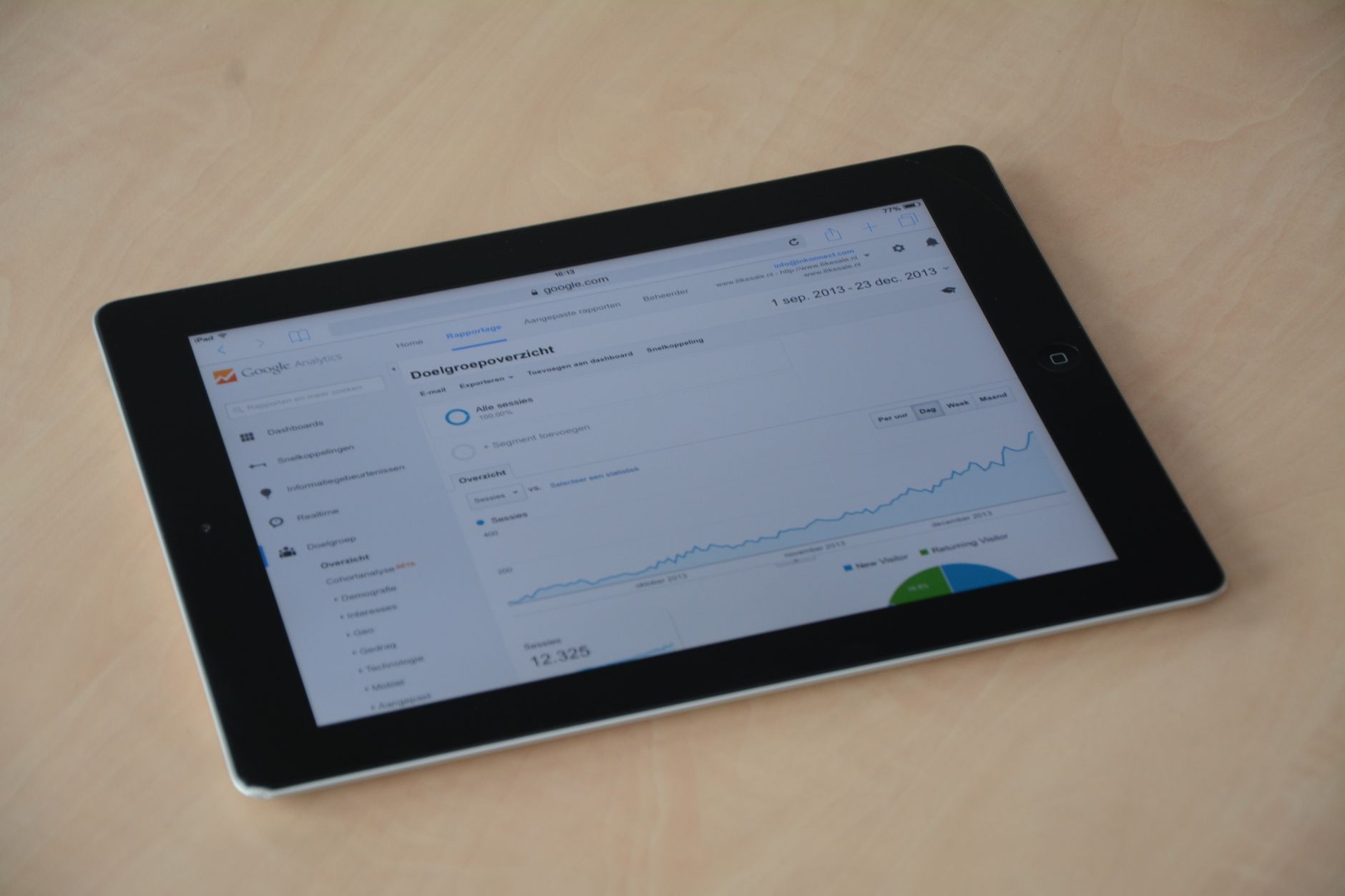
Reading the Data: How to Use Sell-Through Analytics to Maximize Liquidation Revenue
Most liquidation wholesalers are sitting on a goldmine of untapped data—and leaving recovery value on the table because of it. This guide breaks down exactly how sell-through analytics work, what metrics actually matter, and how to turn raw inventory data into faster sales and higher margins.

The Complete Digital Transformation Roadmap for Liquidation Wholesalers in 2026
Most liquidation wholesalers still run on spreadsheets, phone calls, and manual follow-ups, even as e-commerce return volumes hit record highs. This guide lays out a practical, step-by-step digital transformation roadmap so your operation can move inventory faster, price smarter, and scale without adding headcount.